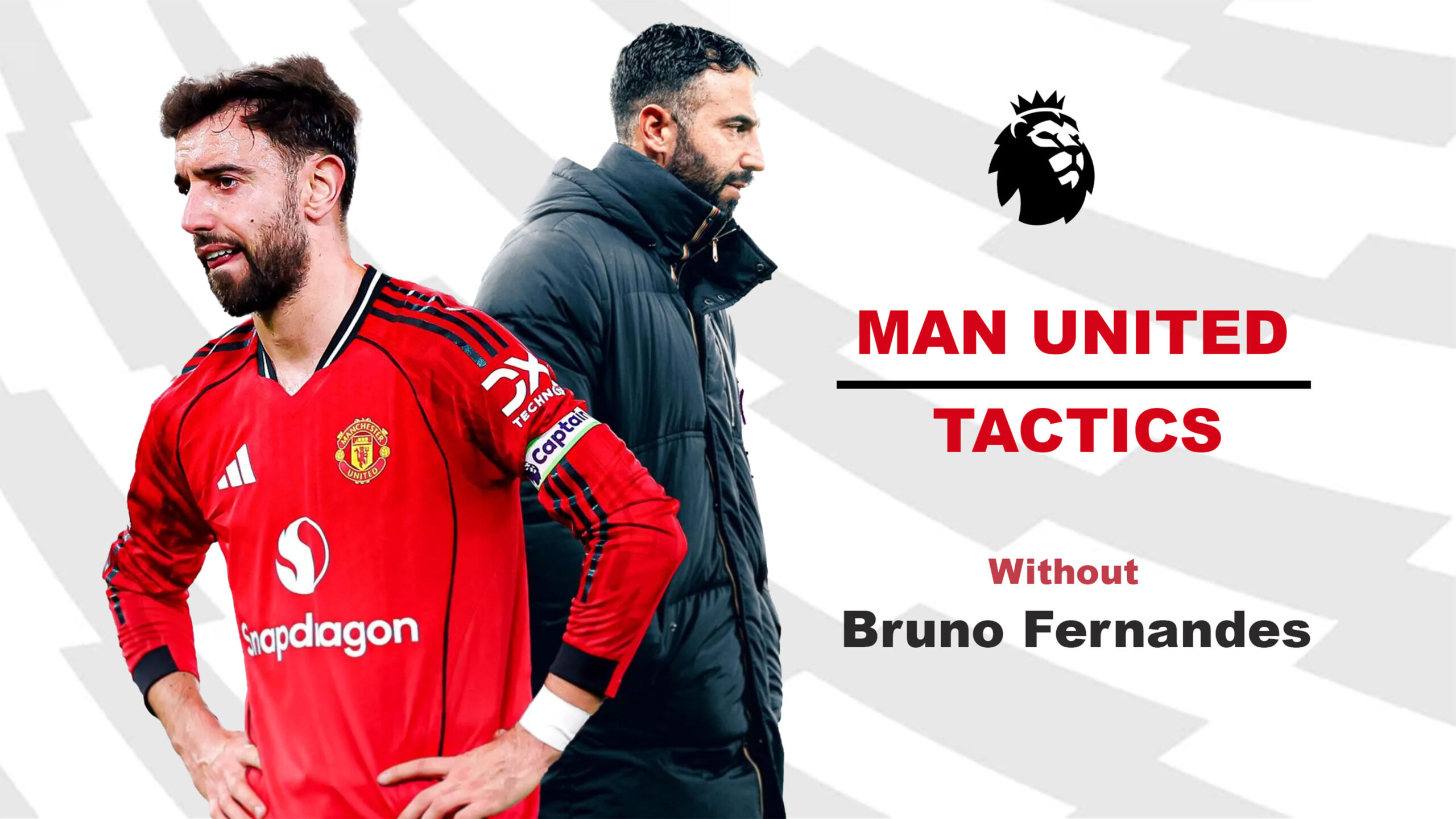
How Manchester United Will Cope Without Bruno Fernandes
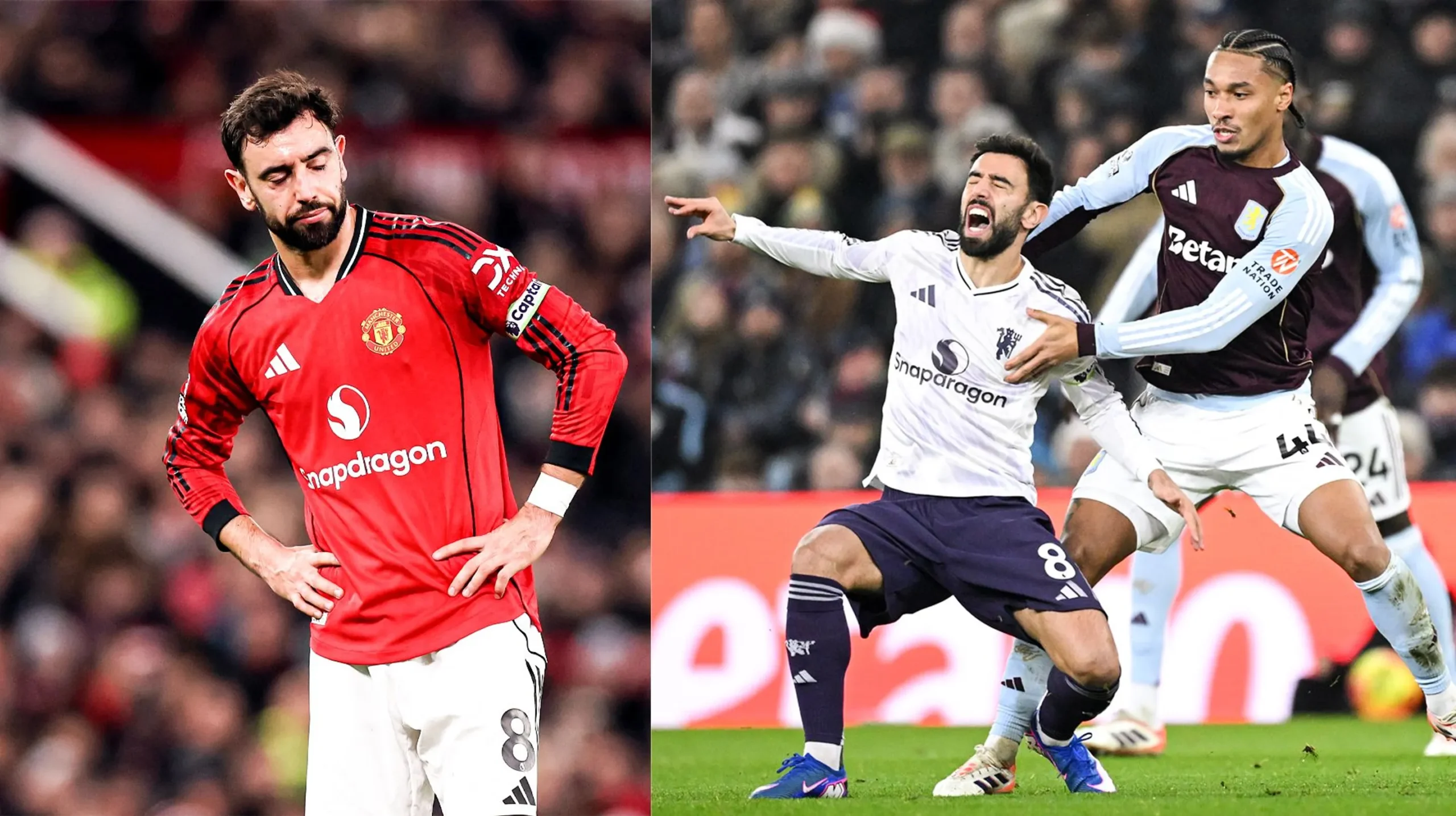
Manchester United have been dealt a significant blow with the injury to Bruno Fernandes. The club captain and creative heartbeat of the side suffered a soft tissue injury in their recent defeat to Aston Villa and is now set to miss several key matches in the busy festive schedule. His absence presents both a challenge and an opportunity for the squad as United look to maintain momentum. With key players also unavailable due to injury and others away at international tournaments, head coach Ruben Amorim must find new ways to keep his team competitive in the Premier League.
Bruno Fernandes has been one of the most influential midfielders in English football since his arrival from Sporting CP. Not only does he contribute goals and assists, but he also shapes the tempo of the team and organises play both in open play and on set pieces. Fernandes has started every league match this season and leads Manchester United in creative output, making his absence a genuine test of the squad’s depth.
The Challenge of Losing an Irreplaceable Player
Ahead of the Boxing Day match against Newcastle, Amorim was candid in admitting the difficulty of replacing his injured captain. He told reporters that it is “impossible” to replace Fernandes because he influences not only the attacking play but also the organisation during set pieces and team structure on the pitch.
Fernandes does more than just create chances. He directs teammates, anticipates movements, and consistently finds pockets of space that unlock defences. His understanding of the game and leadership qualities are rare, and his absence is likely to be felt most in tight games where creativity and composure decide matches.
The timing of this injury complicates matters further. The festive period brings a congested schedule, and Manchester United are already dealing with other absentees. Kobbie Mainoo, who was expected to challenge for a starting role in Bruno’s absence, is also out with a calf issue. Players such as Bryan Mbeumo and Amad Diallo are away at the Africa Cup of Nations, further reducing tactical options available to Amorim.
Who Can Step Up in Midfield
With Fernandes unavailable, Amorim must look to other midfield options and potentially shift his tactical approach. One of the most experienced alternatives is veteran Casemiro. While the Brazilian has faced criticism at times for his aggression and occasional mistimed challenges, his leadership and understanding of controlling the tempo could be vital. Casemiro’s ability to shield the defence and link play with forward runners will be central to United’s ability to maintain balance in midfield.
Another option is Lisandro Martínez, who is nominally a defender but has shown adaptability when moved into central midfield. His composure on the ball and defensive intelligence make him a useful option, even if he does not share Fernandes’s creative instincts. Martínez can help stabilise the team and allow other attacking players more freedom in transition.
Beyond those two, Amorim may give increased opportunities to players like Mason Mount or Manuel Ugarte. Mount has technical quality and an eye for a pass, even if he lacks Bruno’s aggression. Ugarte brings energy and tenacity that could help Manchester United win duels in the middle of the park. Another name emerging from the academy is Jack Fletcher, who impressed when brought on late in the Villa match and offers youthful energy and fearlessness.
Tactical Adjustments Under Consideration
The absence of Fernandes does not just remove a creative spark. It forces a rethink about how United build attacks and defend when out of possession. One tactical response may be to adopt a more compact midfield shape with two holding players sitting deeper to maintain structure. This could involve Casemiro sitting in front of the defence while Martínez or Ugarte push slightly higher to connect with attacks.
United might also shift the emphasis of their build up play. With Bruno usually the pivot around which attacks rotate, other players will need to take on more responsibility in carrying the ball and linking play between defence and attack. Full backs such as Luke Shaw could become more involved in advancing the ball into dangerous areas, while wingers may have to look inside more often to create space.
Set pieces represent another area where Fernandes’s influence will be missed. He often organises routines and positions players. In his absence, leadership roles on corners and free kicks may fall to experienced defenders or midfielders like Casemiro or Luke Shaw. How well the team adapts in these moments could influence results during this challenging period.
Leadership and Opportunity Within the Squad
One of the key messages from Amorim has been about opportunity rather than limitation. He has repeatedly stated that Fernandes’s injury is a chance for others to step up and show leadership. This mindset could galvanise the squad, especially those who have been on the fringes of playing time.
Luke Shaw, as a senior figure on the pitch, can assume greater responsibility in organising the team. His experience and calmness under pressure can help maintain stability. Likewise, Casemiro’s commanding presence in midfield makes him a natural candidate to marshal the team through this period. Veterans like Harry Maguire or Lisandro Martínez can also act as on pitch leaders when the team needs direction.
Young players such as Shea Lacey and Jack Fletcher have already shown glimpses of promise. Their fearless approach and hunger to impress could give United an unpredictable and exciting edge in certain matches. Giving them minutes now not only prepares them for future roles but also injects fresh energy into a squad that risks stagnation without proper rotation.
Historical Context and United’s Record Without Fernandes
Bruno Fernandes’s influence at Manchester United cannot be overstated. According to recent statistics, United’s win rate is slightly higher with him in the team compared to when he is absent. However, they have not been completely ineffective in his absence. The club has shown resilience, winning and drawing games without him in the past.
That historical context provides some comfort. It shows that while Fernandes adds significant value, United have frameworks in place that can deliver results even without him. The onus now is on Amorim and his coaching staff to adapt those frameworks to maximise the strengths of available players.
Conclusion
Bruno Fernandes’s injury is a significant setback for Manchester United. His absence will test the team’s creativity, leadership, and tactical flexibility. As manager Ruben Amorim has said, it is impossible to simply replace Fernandes, but it is an opportunity for others to step up and demonstrate leadership qualities.
Players like Casemiro, Lisandro Martínez, Mason Mount, and even youthful prospects like Jack Fletcher may be called upon to shape United’s approach during this period. Tactical adjustments will be essential, particularly in midfield structure and set piece organisation. Success in this stretch of fixtures will require collective responsibility, adaptation, and resilience.
For readers who want deeper tactical analysis on how teams restructure themselves in the absence of key players like Fernandes, check out the detailed strategies at The Coaches’ Voice where top managers explain how to adapt formations and roles in challenging conditions.
Manchester United’s ability to weather this storm may well define their season. With key matches on the horizon, how they respond without Bruno Fernandes could be a defining chapter in their quest for Premier League success.